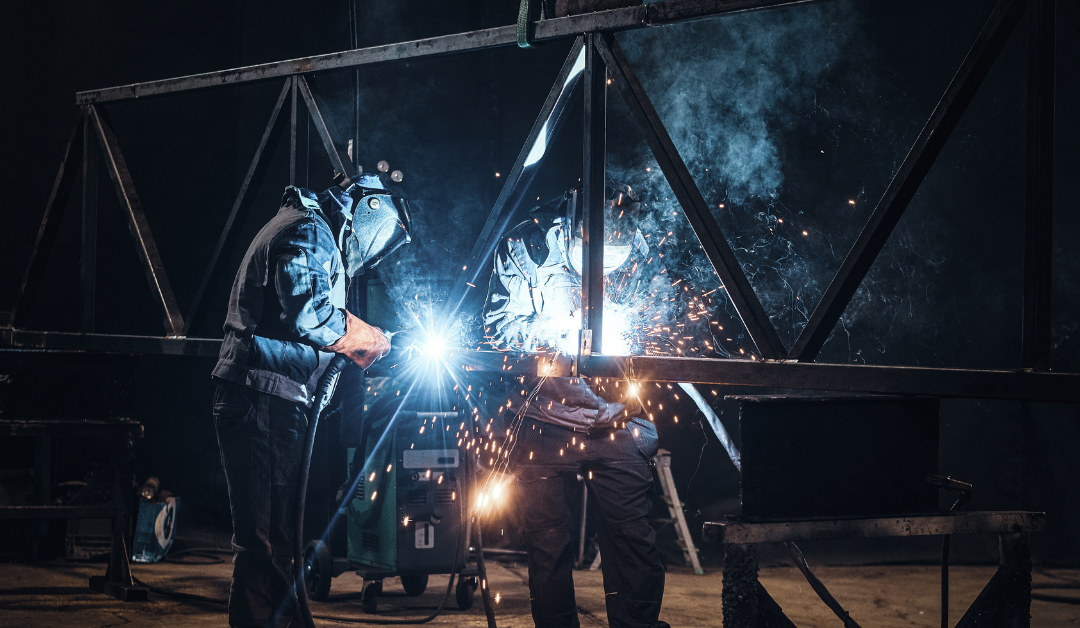
Not every metal part can be bought off the shelf. Factories, shops, and special machines often need parts built to exact sizes. Some parts must meet certain strength needs or work in tough conditions. When standard products aren't available or don't meet those needs, custom metalwork offers another option.
What Is Custom Metalwork?
Custom metalwork means making, changing, or repairing metal parts. It uses processes such as:
- Cutting
- Bending
- Rolling
- Welding
- Machining
These methods shape materials into useful products built for a certain job. Projects can be as small as a replacement bracket. They can also be large fabricated assemblies used in plants and industrial settings.
It helps to know which projects benefit from custom fabrication. Then businesses and equipment owners can decide when a special part makes more sense than a standard one. Here are seven common uses where custom fabrication plays an important role.
1. Replacement Parts for Older or Discontinued Equipment
Industrial machines are often built to run for many years. But as equipment ages, replacement parts can get harder to find. Manufacturers sometimes:
- Discontinue certain models
- Stop making replacement parts
- Change their designs
This leaves businesses with few repair options.
Custom metalwork can help when an existing part needs to be recreated. Depending on the part, a fabricator or machinist may be able to build a replacement from:
- Original drawings
- Measurements
- An existing sample
For example, an older manufacturing machine may need a mounting plate, shaft support, bracket, or other part that is no longer sold. Instead of replacing the whole machine, the damaged part can be checked to see if a good replacement can be made.
How Reverse Engineering Helps
Sometimes the original drawings are gone. Then reverse engineering can help find the size and key features of an existing part. This may involve:
- Examining the original material
- Measuring critical surfaces
- Figuring out how the part works with the equipment around it
Extra care is needed when the original part is worn or damaged. Its current measurements may not match the sizes it was designed to have.
Some replacement parts need traditional fabrication methods. Others need precision machining. More complex parts may involve both.
This approach can be especially valuable when a fairly small part keeps an otherwise working machine from running.
2. Structural Supports and Reinforcement Components
Metal supports are used throughout industrial and commercial facilities. They may:
- Give machinery stability
- Support equipment platforms
- Reinforce existing assemblies
- Connect different structural parts
Standard steel shapes and prefabricated supports are easy to find. But they don't always match the sizes or needs of a certain installation.
With custom metalwork, supports and reinforcement parts can be built to exact measurements and design needs. These projects may involve:
- Cutting steel plate
- Forming metal sections
- Drilling mounting holes
- Welding single pieces into larger assemblies
Why Accurate Measurements Matter
Structural parts must fit where they go while giving the support needed. Wrong sizes or poorly placed mounting holes can make installation hard. They can also affect how loads are transferred.
Other important factors include:
- Material thickness
- Connection design
- Expected loading conditions
For load-bearing uses, the design should be developed or checked by a qualified professional when required. Fabrication must then follow the drawings, specifications, and standards that apply.
Custom fabrication is a big help when supports must fit odd-sized equipment. It also helps when existing structures can't easily be changed.
3. Custom Brackets and Mounting Hardware
Brackets and mounting parts may look simple. But they play an important role in keeping equipment in the right position and secure.
Industrial machines often need brackets for:
- Motors
- Guards
- Sensors
- Piping
- Electrical enclosures
- Other attachments
Standard brackets may not have the right hole patterns, angles, material thickness, or sizes. Custom metalwork makes it possible to create mounting hardware that suits the exact use.
For example, a facility may need to attach a new part to an older machine. The new equipment may use a different mounting setup, so the original bracket no longer works.
A custom bracket can be designed to fit the needed sizes while keeping proper alignment and access.
Common Fabrication Processes
Custom metalwork for brackets often involves these steps:
- Cutting metal to size
- Bending it to the needed angle
- Drilling or machining mounting holes
For more complex designs, several pieces may be welded together to make the finished assembly.
Equipment such as CNC plasma tables, hydraulic shears, press brakes, and drill presses can be used for this work.
The finished part must also suit the loads and conditions it will face. A bracket holding a stationary cover has different needs than one holding a vibrating motor or a heavy load.
Choosing the right materials and manufacturing methods helps make sure the bracket does its job.
4. Industrial Equipment Modifications
Manufacturing facilities often update their equipment as production needs change. A machine may need to:
- Handle a different product size
- Connect with new equipment
- Fit into a revised production layout
Replacing a whole machine isn't always needed when one part or assembly can be modified.
Custom metalwork can support these changes. It can create new mounting structures, adjust existing parts, or add new parts.
For example, a production line may need a modified frame to fit a new attachment. Another facility might need an existing machine base adjusted to line up with updated equipment.
These projects often need careful review. Changes can affect machine operation, stability, access, and safety.
Combining Fabrication and Machining
Some modifications involve both fabricated and machined parts.
A frame might need cutting and welding, while a connecting part may need accurately machined surfaces or holes. Using the right process for each part helps get the needed fit and function.
Machining can be especially important when parts must line up with rotating shafts, bearings, or other precision assemblies.
Keeping Equipment Modifications Safe
Any equipment changes should also account for:
- Manufacturer specifications
- Guarding
- Operating clearances
- Safety requirements that apply
The goal is to adapt the equipment to its intended use without hurting performance or creating new hazards.
5. Metal Frames and Equipment Bases
Frames and bases support many types of industrial equipment. They help position machines, keep alignment, and provide a stable foundation for attached parts.
Some equipment can use standard frames. But specialized machines may need a custom setup.
Custom metalwork is useful for making frames with specific:
- Sizes
- Mounting locations
- Reinforcement needs
- Structural layouts
These projects may use steel plate, structural shapes, tubing, and other materials that are cut and put together into the needed setup.
Why Frame Design Is Important
A frame must do more than hold up the weight of the equipment on it. Depending on the use, it may also need to handle:
- Vibration
- Dynamic loading
- Repeated operation
- Other forces
Where the mounting points are placed and how stiff the structure is can affect how the supported equipment performs.
Accurate fabrication is especially important when several parts must line up.
A frame that is out of square or has mounting holes in the wrong spots can cause problems during installation. Welding can also cause distortion. That makes the right fabrication order and size checks important.
Some equipment needs precise alignment. In that case, machining may be needed after fabrication to create good mounting surfaces.
These factors help explain why custom frames and bases often need a mix of design, fabrication, welding, and machining.
6. Metal Repairs and Reinforcement of Existing Components

Metal parts can be damaged by:
- Regular use
- Impact
- Corrosion
- Fatigue
- Harsh operating conditions
When damage happens, replacing the whole assembly isn't always needed.
Custom metalwork can repair damaged parts. It can also make replacement sections so an assembly works the way it should.
Common examples include damaged equipment frames, worn mounting points, cracked brackets, and bent metal parts. Depending on the material's condition, repairs may involve:
- Welding
- Cutting away damaged sections
- Fabricating new pieces
- Machining worn surfaces
Determining Whether Repair Is Appropriate
Not every damaged part should be repaired. The choice depends on:
- The type and amount of damage
- The material
- What the part does
- The stresses it faces during operation
For example, a damaged cover that isn't structural may be fairly easy to repair. A cracked part that carries heavy loads needs a more careful review.
Fatigue damage can also point to a bigger problem. If a part keeps cracking in the same spot, just welding the damaged area may not fix the root cause.
A qualified professional may need to decide whether reinforcement, redesign, or full replacement is the best solution.
Repair work should also account for material compatibility and welding needs. Some metals need special procedures to prevent cracking, distortion, or changes in mechanical properties.
Knowing these factors helps show whether a repair will hold up well over time.
7. Specialty Metal Components and One-Off Fabrication Projects
Some fabrication projects don't fit a standard product category. They may involve unusual sizes, special shapes, unique connection needs, or parts made for one specific machine.
These are cases where custom metalwork can be especially valuable. Examples include:
- Specialty mounting plates
- Custom fasteners
- Equipment adapters
- Unusual brackets
- Parts designed for machinery modifications
A facility might need a metal part that connects two machines built decades apart. Another project may need a special part that can't be ordered in the right size or setup.
Instead of changing a standard product that doesn't fit, a custom part can be built around the actual needs.
How Specialized Equipment Supports Custom Projects
Different fabrication processes let metal be shaped and changed in ways that would be hard to do with basic tools.
For example, Staunton Machine Works' metal fabrication and repair services include equipment such as:
- A 5-foot by 10-foot Koike CNC plasma table
- Sheet metal and plate rollers
- A 200-ton press brake with a 13-foot bed
These tools support cutting, bending, and forming work for a variety of projects.
Custom U-bolts are another example of specialty fabrication. Their size, bend radius, and thread setup can be tailored to jobs where standard fasteners don't work.
A one-off part may need only a few fabrication steps. A more complex project could involve cutting, bending, drilling, welding, and machining.
The goal is a part that meets the intended specs. You don't have to change the project to fit a standard part.
What Makes Custom Fabrication a Practical Choice?
The choice to use custom fabrication often comes down to four things:
- Fit
- Function
- Availability
- Long-term performance
Standard parts are usually convenient when they meet a job's needs. But they may not have the right sizes, material properties, or setup for specialized equipment.
Custom metalwork offers more flexibility when a project needs something different.
It can also help you repair equipment, remake obsolete parts, or change machines to meet new needs.
Planning a Custom Metalwork Project
Before starting a fabrication project, it helps to identify the part's:
- Intended function
- Required sizes
- Operating conditions
- Related drawings or samples
Material choices and fabrication methods should then be reviewed based on those needs.
For a closer look at this process, read our guide to taking custom metalworking from idea to successful project.
Finding the Right Solution for Your Metal Fabrication Project
Custom fabrication serves a wide range of industrial and commercial uses. These include replacement machine parts, structural supports, equipment frames, and specialty parts.
Each custom metalwork project has different needs. Some depend mainly on accurate cutting and bending. Others need welding, machining, or a mix of processes.
Knowing the intended use helps decide which approach will give the most practical result.
You may want to repair equipment, recreate a discontinued part, or make something brand new. Either way, custom metalwork gives you options when standard products won't work.
Stay up to date with us at Staunton Machine Works by following us on Facebook.