Moving heavy industrial equipment is rarely as simple as lifting a machine and taking it somewhere else. Manufacturing plants rely on large, costly, and often highly specialized machines. Machine moving requires careful handling at every step.
Even a short move across a production floor can bring big challenges, such as:
- Weight distribution
- Clearance
- Floor conditions
- Equipment positioning
Successful machine moving takes preparation, the right equipment, and a clear understanding of the risks. Without these, a move can lead to:
- Damaged machinery
- Workplace hazards
- Longer downtime
- Unexpected costs
A facility may be changing its production layout, replacing outdated equipment, or moving an entire operation. In each case, avoiding common mistakes can make the process safer and more efficient.
Knowing where problems usually happen is a key first step. It helps you plan a successful industrial equipment relocation.
1. Failing to Plan the Move Beforehand
One of the most common machine moving mistakes is not planning enough.
A large industrial machine can't always go straight from its current spot to its destination. The route may include:
- Narrow doorways
- Overhead pipes
- Uneven flooring
- Tight corners
- Other obstacles that make transport hard
What to Review Before Machine Moving
Before a machine is moved, the whole process should be reviewed. This includes:
- Knowing the machine's dimensions
- Identifying possible obstacles
- Choosing the lifting gear needed
- Confirming the destination is ready
Good planning should also consider:
- How the machine will be disconnected
- Whether certain parts need to be removed
- How the equipment will be positioned once it reaches its new location
Why Route Planning Matters
A machine may fit through a doorway based on its size alone. But that doesn't mean it can be moved through the opening safely.
The equipment used to lift or move the machine also needs space. Machinery skates, lifting devices, and other rigging tools can add to the total clearance needed during a move.
Turns and changes in direction add more challenges. A machine that passes through a straight hallway may not have enough room to get around a nearby corner.
Planning these details before machine moving begins helps keep equipment from getting stuck. It also keeps the crew from having to change its approach without warning.
It's also important to check the final destination. The new location should have enough space for the machine, its required clearances, and any related installation work.
Taking time to plan can cut needless delays and help the move go more smoothly and predictably.
2. Underestimating the Weight and Center of Gravity
Industrial machines can be very heavy. But total weight is only one factor in how equipment should be handled.
Many machines have uneven weight because of internal parts such as:
- Motors
- Gearboxes
- Hydraulic systems
- Tooling
- Other components
As a result, the center of gravity may not be in the middle of the machine. This matters most when lifting machines.
If a load is supported the wrong way, it may tilt, shift, or become unstable. This can create serious hazards for workers. It also raises the chance of damaging the machine.
Before machine moving takes place, check the machine's weight and center of gravity. Use reliable manufacturer information, engineering documents, or other proper assessment methods.
Why Load Balance Is Important
Picture a large industrial press with a heavy motor assembly set toward one side. The machine may look balanced from the outside. But its weight could be very uneven.
Lifting the machine without accounting for that difference may cause unexpected movement.
Proper rigging involves:
- Identifying suitable lifting points
- Choosing equipment with enough capacity
- Planning how the load will stay stable throughout the process
Where the lifting points are matters a lot. Not every exposed section of a machine is designed to hold its full weight.
When manufacturer-approved lifting instructions are available, review them before the move begins.
Knowing the machine's balance helps show which lifting methods are right. It also lowers the risk of uncontrolled movement.
3. Using the Wrong Equipment for the Job
Not every piece of heavy equipment can be moved with the same tools. The type of rigging equipment needed depends on the machine's:
- Weight
- Dimensions
- Available clearance
- Destination
Some moves involve lifting machines straight up before shifting them onto specialized moving gear. Others need controlled horizontal movement across a production floor. Some need the machine lifted onto a truck or other transport.
Using the wrong tools can raise the risk of equipment damage, instability, and workplace accidents.
Professional machine moving may involve hydraulic jacks, precision skates, rollers, specialized lifting gear, and cranes. Each one has a different purpose. Each must be chosen to fit the needs of the load and the setting.
Understanding Different Types of Rigging Equipment
- Hydraulic jacks are often used to raise heavy machines in a controlled way. They can provide the clearance needed to place supports or moving gear under a load.
- Precision skates and rollers help with horizontal movement across suitable surfaces. They are a big help when large machines must travel through plants with limited space.
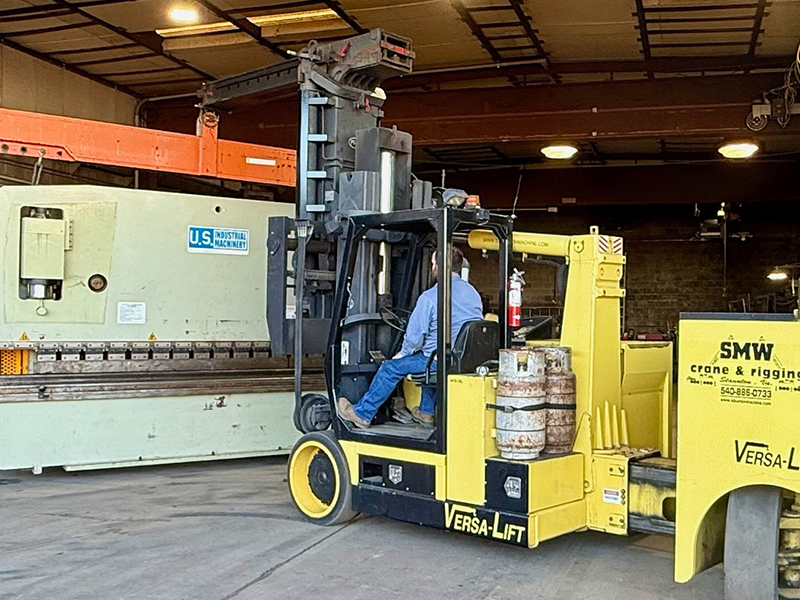
- Specialized equipment such as the 40/60 Versa-Lift can also be used for certain heavy lifting and moving jobs.
- Crane support may be needed to lift machines onto a truck or other transport, or to move them between levels. It also helps where ground-based gear isn't enough.
We have many options for machine moving. Our gear includes a Versa-Lift, precision skates and rollers, hydraulic jacks, and crane support. We use it for our rigging services.
The key is matching the equipment to the job. Don't assume one lifting method will work for every machine moving job.
Before work begins, check:
- Equipment capacity
- Operating conditions
- Available space
- Load stability
4. Ignoring Floor Conditions and Structural Limitations
Floor condition is another factor that people often miss.
Heavy machines put large loads on the floor under them. When lifting devices, rollers, or machinery skates are used, those loads may be focused on fairly small areas.
A floor that holds a stationary machine can't always hold every setup of moving gear.
This matters most when machines must travel across:
- Older concrete floors
- Elevated slabs
- Loading areas
- Surfaces with unknown load ratings
Before machine moving begins, check the route for floor capacity, surface conditions, and possible obstacles.
Common Floor-Related Challenges
These floor issues can affect how machines travel through a building:
- Cracks
- Uneven surfaces
- Expansion joints
- Slopes
- Floor transitions
A small change in height can be a big challenge when moving a machine that weighs several tons.
Machinery skates and rollers usually work best on surfaces that suit their design and load needs. Damaged or uneven flooring can get in the way of controlled movement.
The floor must also be able to hold the combined loads of the machine and the rigging equipment.
Where capacity is uncertain, a qualified structural professional may need to check the floor before the move goes ahead. Floor protection or engineered load-spreading measures may also be needed in some cases.
Dealing with these conditions before the move helps reduce the chance of damaged flooring, unstable loads, and unexpected delays.
5. Failing to Prepare the Machinery Properly
Another common mistake is focusing only on moving the machine without properly preparing the machine itself.
Machines often have parts that shouldn't stay loose during a move. Depending on the machine, these may include:
- Moving assemblies
- Tooling
- Electrical components
- Hydraulic lines
- Other attachments
Shutting Down and Disconnecting Utilities
Before a machine is moved, it should be fully shut down and disconnected from its utilities. These may include:
- Electrical power
- Compressed air
- Water
- Hydraulic systems
- Other connections
The exact steps depend on the machine. They should follow manufacturer instructions and the safety procedures that apply.
Protecting Sensitive Components
Some machines have precision parts. Impact, vibration, or improper lifting can affect them.
CNC machines, for example, may have sensitive positioning systems and mechanical assemblies that need special handling.
Loose attachments or unsupported parts can shift during transport. This can damage the machine or create hazards.
Good prep may involve:
- Securing movable parts
- Removing accessories
- Protecting exposed surfaces
- Identifying approved lifting points
Energy isolation is another key step. Equipment should be fully de-energized and secured against unexpected startup or hazardous energy release. Use the lockout/tagout procedures that apply.
A well-planned machine moving project accounts for these preparation steps before rigging begins.
Taking time to prepare machines the right way can help protect valuable machines. It can also reduce problems during installation at the destination.
6. Overlooking Communication and Workplace Safety
Moving heavy equipment often takes several workers. They must work together on lifting, moving, positioning, and monitoring.
One worker may run lifting gear while another watches clearances or checks the machine's position. In larger plants, crew members may be separated by equipment, walls, or other obstacles.
Without clear communication, even a carefully planned move can become dangerous.
Before machine moving begins, everyone involved should understand:
- Their responsibilities
- The planned order of operations
- How the crew will communicate during the move
Establishing Clear Communication
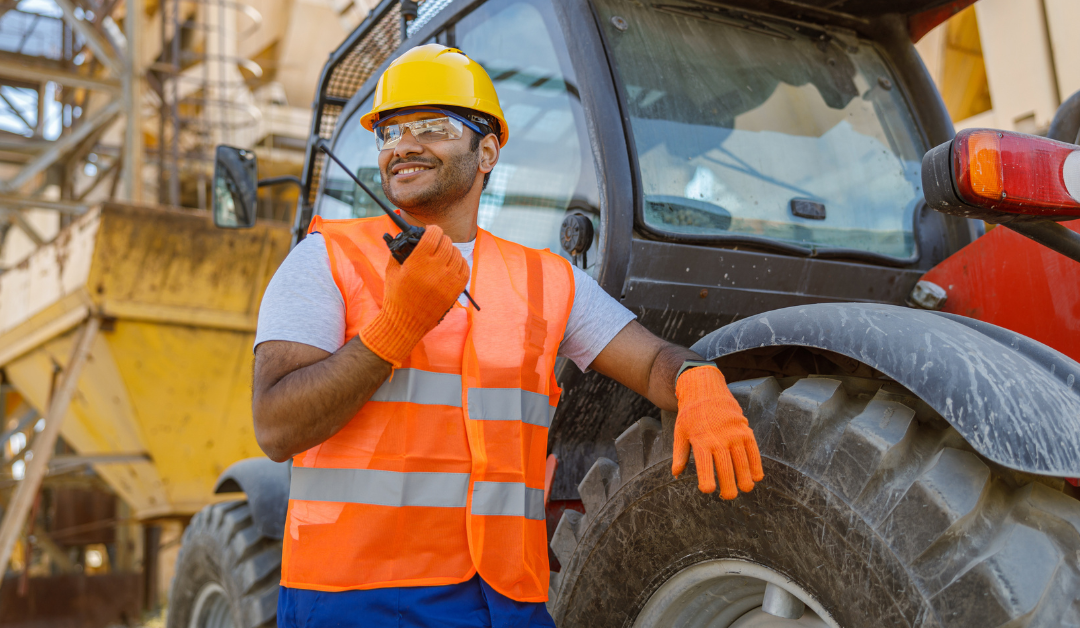
Operators should get directions from assigned crew members. They should use set signals or radios and other devices.
When workers can't keep direct visual contact, radios or other communication systems may be needed. The crew should also have a clear process for stopping work whenever an unsafe condition develops.
Talking with plant staff matters just as much. Employees working nearby should know when the move will happen and which areas need to stay clear.
Keeping the Work Area Safe
Heavy machines should never be moved through occupied work areas without proper precautions. Personnel should stay outside hazardous areas, especially:
- Beneath suspended loads
- Within possible crushing and pinch-point zones
Other steps include:
- Securing access to the work area
- Inspecting rigging equipment
- Confirming that operators and riggers are qualified for their assigned tasks
A safe move depends on keeping control of the machine and protecting everyone working nearby.
7. Forgetting About Final Placement and Installation
One of the most overlooked parts of moving heavy equipment is what happens after the machine reaches its destination.
Getting a machine into the right room or general area doesn't mean the move is done.
Industrial equipment often must be placed precisely to work correctly. Machines may need to line up with production lines, foundations, mounting points, or nearby equipment.
Some machines also need these steps before going back into service:
- Leveling
- Anchoring
- Utility reconnection
- Calibration
- Testing
A machine moving plan should account for these needs from the start.
Why Accurate Positioning Matters
A machine may need to connect with the equipment around it. If it sits just a few inches off its intended spot, that can cause big problems.
Production lines often depend on a steady flow of material between machines. Wrong placement can interfere with:
- Conveyors
- Automated systems
- Maintenance access
- Workflow
Special rigging equipment may be used to make small, controlled adjustments during final placement. Hydraulic jacks, precision skates, and rollers can help with some placement work, depending on the load and site conditions.
The final position should be checked against the facility layout and the manufacturer's installation requirements.
After placement, qualified personnel should complete any needed leveling, anchoring, reconnection, inspection, and commissioning work.
Planning for installation helps avoid having to reposition machines after other work is already done.
Why Careful Preparation Makes a Difference
The seven mistakes above share a common theme. Most can be avoided through careful planning before equipment is moved.
Industrial machines are often costly, hard to replace, and key to daily work. A poorly coordinated move can cause problems beyond the move itself.
Equipment damage may require repairs, replacement components, recalibration, or extra installation work. Surprise delays can upset production schedules and affect other parts of a plant.
By contrast, a well-organized machine moving project considers the entire process:
- Preparation
- Lifting
- Transportation
- Placement
- Return to service
How Facility Managers Can Help
Facility managers can support machine moving by:
- Gathering accurate equipment information
- Identifying possible obstacles
- Coordinating needed shutdowns
- Preparing the destination in advance
They should also share any special needs involving sensitive machines, restricted access, or production deadlines.
The more you know before the move begins, the easier it is to build a practical plan.
The Importance of Experienced Rigging Professionals
Moving heavy machines involves several technical factors. They aren't always obvious from the outside. Each of these takes specialized knowledge:
- Understanding load distribution
- Choosing suitable lifting gear
- Evaluating floor conditions
- Coordinating movement through tight spaces
A professional rigging team looks at these factors together. It doesn't treat each stage as a separate task.
Experienced crews also know that no two moves are exactly alike. Moving one machine across an open warehouse floor is not the same as taking a machine out of a crowded plant.
The equipment used may vary to match. Some projects need hydraulic jacks and machinery skates. Others benefit from specialized lifting gear or crane support.
Having the right gear is important. Knowing when and how to use it matters just as much.
Coordination matters even more for larger projects, such as production line changes or complete plant relocations. Equipment may need to be removed and installed in a certain order to keep access open and reduce disruptions.
The overall goal is to finish the job while protecting workers, machines, nearby structures, and the plant's operations.
To learn more, read how a machinery moving service handles heavy equipment safely.
Planning a Safer Heavy Equipment Relocation
Machine moving involves much more than taking a heavy object from one place to another. These factors all affect the outcome:
- Weight distribution
- Lifting methods
- Floor conditions
- Equipment preparation
- Communication
- Final positioning
Avoiding these seven common mistakes helps create a safer and more organized machine moving process.
You may be moving one machine or rearranging a whole plant. Either way, knowing the needs ahead of time can reduce problems and make the change go more smoothly.
At Staunton Machine Works, we provide rigging and equipment relocation. We also offer plant moving, loading and unloading, and machinery installation services. Our specialized rigging equipment supports a variety of industrial moving needs.
Stay up to date with us at Staunton Machine Works by following us on Facebook.